
Relay testing is an essential electrical diagnostic process that helps ensure smooth performance in various systems. Using a multimeter makes this task simple, accurate, and efficient. By understanding a few basic steps, anyone can check relay condition and identify potential issues quickly.
Importance of Relay Testing
Relay testing ensures proper electrical switching, helps prevent system failures, improves equipment reliability, and reduces maintenance downtime. Technicians learn how to test relay with multimeter for diagnostics.
Tools Required
A multimeter, basic understanding of electrical connections, and safety gloves are required for safe testing.
Step-by-Step Relay Testing Process
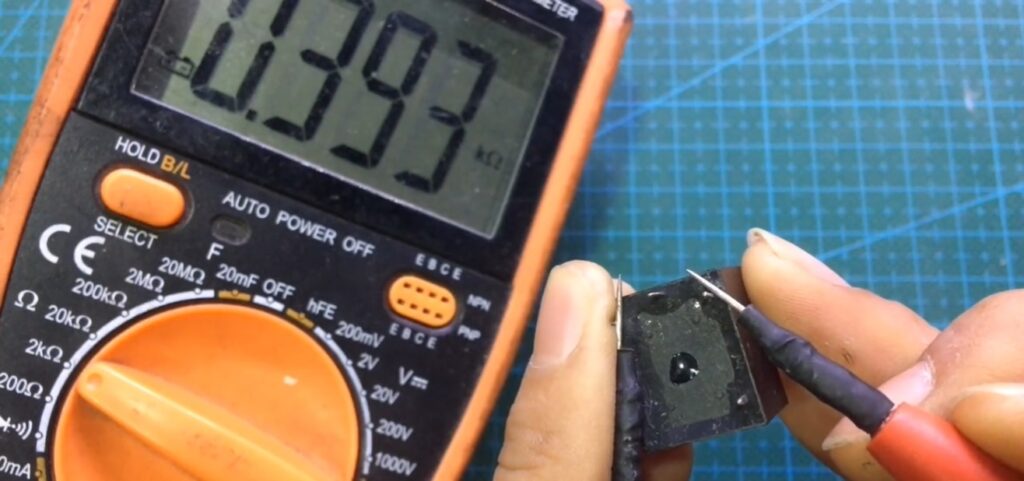
First, identify relay terminals carefully before testing. Set the multimeter to resistance or continuity mode. Check coil resistance by placing probes on coil terminals. Listen for relay click when activated. Test contact points for continuity in both states.
Key Observations
A healthy relay shows consistent resistance within expected range. No continuity indicates faulty contacts. Infinite resistance suggests a broken coil. Irregular readings may indicate internal damage.
Safety Tips
Always disconnect power before testing. Avoid touching live terminals. Work in a dry and safe environment. Use insulated tools when possible.
Benefits of Using a Multimeter
A multimeter provides quick and reliable readings, helping diagnose relay issues without complex equipment. It enhances accuracy and supports preventive maintenance, making electrical troubleshooting more efficient.
Common Issues
Relays may fail due to coil burnout, worn contacts, or moisture damage. Slow switching or intermittent operation is often an early warning sign.
Best Practices
Always perform regular inspection of relays in critical systems. Keep terminals clean and free from dust. Ensure proper handling to avoid mechanical stress during installation. Testing multiple relays in sequence helps maintain system consistency and reduces unexpected failures.
FAQ
What is the ideal resistance of a relay coil?
It typically depends on design but should remain stable without open circuit readings.
Can a multimeter fully diagnose a relay?
It can identify most common faults including coil failure and contact issues.
Why is continuity important?
It confirms proper electrical connection ensuring safe and reliable operation.
Advanced Tips
Using voltage mode on a multimeter can help verify proper coil activation under operating conditions. Comparing readings with specifications improves diagnostic accuracy. Performing repeated tests ensures consistent relay performance.
Enhanced Safety
Always ensure power is fully isolated before handling electrical components. Use insulated probes and avoid working in humid environments. Double check connections before applying any test signal.
Maintenance Tips
Regular relay cleaning and inspection improve long term performance. Avoid exposure to excessive heat or moisture which can degrade internal components. Scheduling routine checks helps prevent sudden system failures.
Final Wrap-up
A multimeter based relay test is one of the most effective and accessible diagnostic methods for ensuring electrical system reliability. It provides clarity and confidence in troubleshooting tasks for beginners and professionals alike.