Dental

Unlocking the Power of Mindful Dentistry for Enhanced Patient Care

Introduction

In recent years, the integration of mindfulness into dental care has revolutionised the way practitioners approach patient treatment. This innovative approach, which combines traditional dental expertise with mindfulness techniques, is gaining recognition across the healthcare sector, including at practices like the dentist in Epping.

Understanding Mindful Dentistry

The Foundations of Mindful Practice

Mindful dentistry represents a holistic approach to oral healthcare that emphasises present-moment awareness and enhanced patient-practitioner communication. Recent studies on mindfulness in dental practice demonstrate significant improvements in patient comfort and treatment outcomes when practitioners incorporate these techniques.

Key Components of Mindful Dental Care

The practice encompasses several essential elements:

  • Focused breathing exercises for both practitioner and patient
  • Enhanced communication strategies
  • Present-moment awareness during procedures
  • Careful attention to patient comfort signals

Benefits for Patient Care

Reducing Anxiety and Stress

Dental anxiety affects a significant portion of the population, making it a crucial concern for any dentist in Epping and beyond. Research on anxiety reduction in dental settings indicates that mindful approaches can significantly decrease patient stress levels during treatments.

Improving Treatment Outcomes

When practitioners implement mindful dentistry techniques, they often observe:

  1. Better patient compliance during procedures
  2. Increased satisfaction with treatment experiences
  3. More effective communication between staff and patients
  4. Enhanced overall treatment outcomes

The integration of mindfulness into dental practice has shown remarkable results in patient care quality. Any dentist in Epping or elsewhere who adopts these principles can create a more supportive and comfortable environment for their patients. Clinical studies on mindful dental practice implementation have demonstrated measurable improvements in both patient experience and treatment efficacy.

Implementing Mindful Practices

Training and Development

Dental practices incorporating mindfulness typically begin with comprehensive staff training programmes. These sessions focus on developing awareness, improving patient communication, and creating a more calming environment. The emphasis lies on cultivating a practice-wide approach where every team member contributes to the mindful atmosphere.

Creating a Mindful Environment

The physical environment plays a crucial role in mindful dentistry. Practices often incorporate:

  • Calming colour schemes and décor
  • Comfortable waiting areas
  • Quiet spaces for relaxation
  • Natural lighting where possible

Patient Education and Engagement

Pre-appointment Preparation

Educating patients about mindful dentistry begins before they enter the practice. Many dental offices now provide resources and guidance on:

  1. Breathing techniques for relaxation
  2. What to expect during their visit
  3. Ways to communicate concerns effectively
  4. Methods for staying present and calm

During Treatment Support

Throughout dental procedures, practitioners employ various mindfulness techniques to support their patients. These might include guided breathing exercises, gentle reassurance, and clear communication about each step of the treatment process.

Future of Mindful Dentistry

The dental profession continues to evolve, with mindfulness becoming increasingly central to patient care. As more practices adopt these techniques, the standard of care continues to improve, leading to better outcomes for both practitioners and patients.

Conclusion

Mindful dentistry represents a significant advancement in dental care delivery, offering benefits that extend beyond traditional treatment approaches. By incorporating mindfulness principles into daily practice, dental professionals can create more positive experiences for their patients whilst maintaining high standards of clinical care.

This holistic approach to dental treatment continues to shape the future of oral healthcare, ensuring that patients receive comprehensive care that addresses both their physical and emotional well-being. The ongoing development of mindful dentistry practices demonstrates the dental profession’s commitment to continuous improvement and patient-centred care.

As research continues and more practitioners adopt these principles, the positive impact on patient experiences and treatment outcomes is likely to grow, establishing mindful dentistry as a cornerstone of modern dental care.

Any surgical or invasive procedure carries risks. Before proceeding you should seek a second opinion from an appropriately qualified health practitioner.
Dental

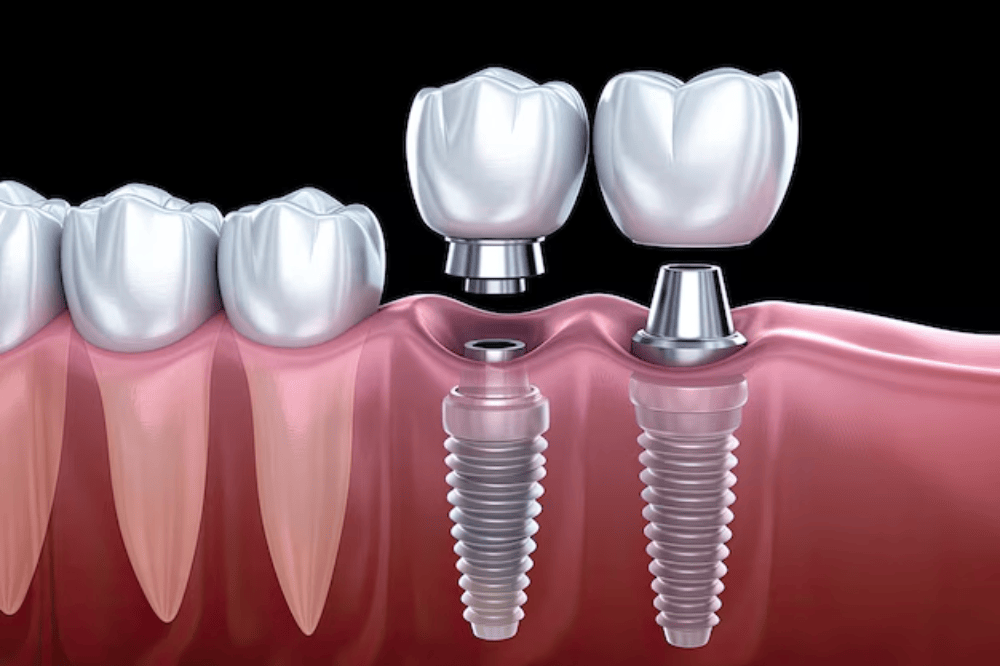
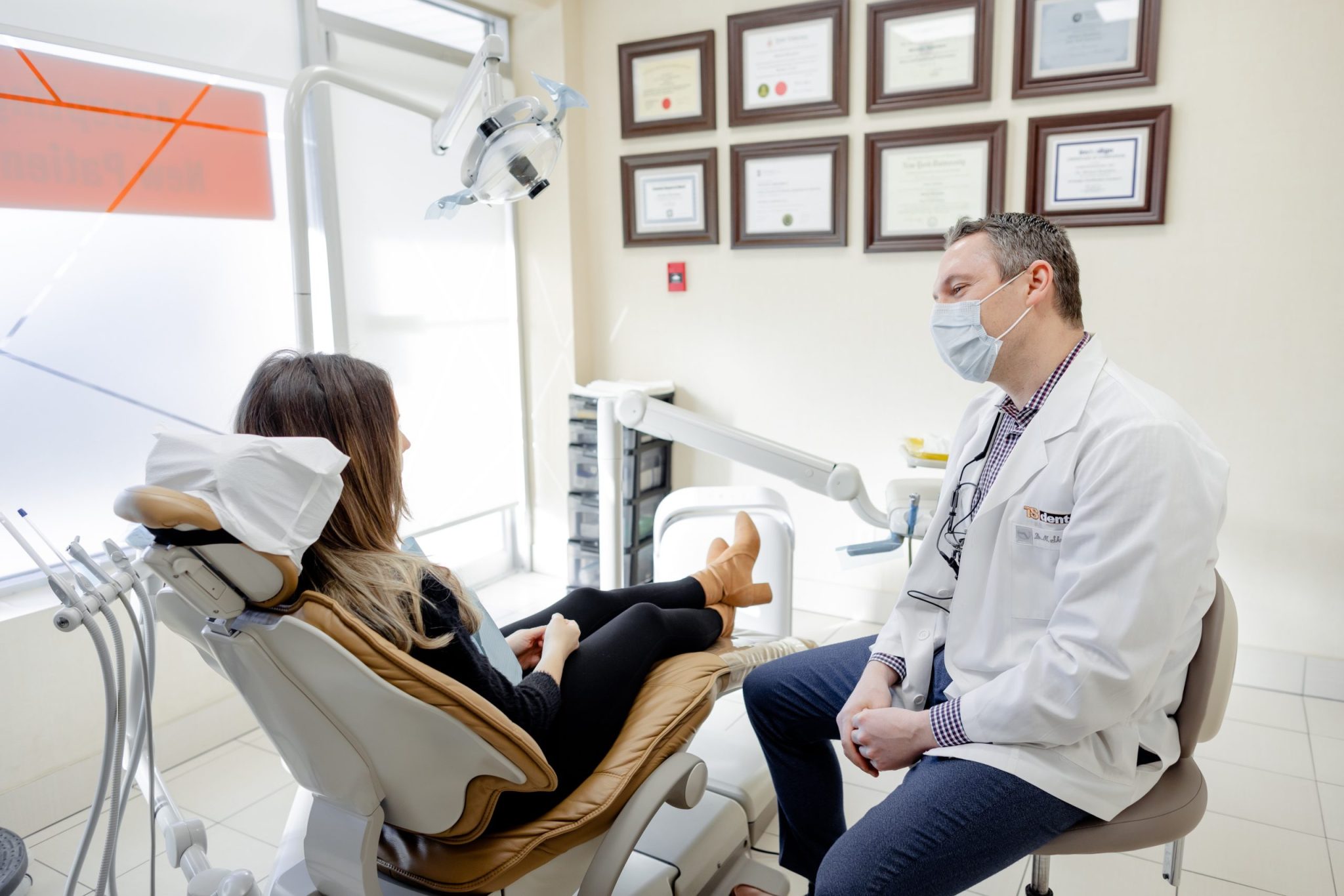
Reimagining Patient-Centric Care in Dental Implantology

Introduction

The landscape of modern dentistry continues to evolve, with patient-centred care becoming increasingly paramount in dental implant treatments. This shift towards a more holistic approach has transformed how dental practices in metropolitan areas, including those offering dental implants Sydney residents rely upon, deliver their services to meet individual patient needs.

Understanding Patient-Centric Dental Care

Patient-centric care in dental implantology represents a fundamental shift from traditional treatment approaches. According to research from Harvard School of Dental Medicine on person-centred care models, this approach encompasses not just clinical excellence, but also considers the patient’s emotional well-being, personal preferences, and lifestyle factors.

Key Elements of Patient-Focused Treatment

The core components of patient-centric implant dentistry include:

  • Comprehensive consultation processes
  • Personalised treatment planning
  • Clear communication throughout the journey
  • Consideration of patient comfort and convenience
  • Long-term maintenance support

Modern Approaches to Dental Implant Care

Contemporary dental practices have embraced innovative methodologies to enhance the patient experience. The patient-centred dental home model demonstrates how coordinated care can improve outcomes and patient satisfaction in implant dentistry.

Technology Integration in Patient Care

Digital dentistry has revolutionised how dental implants Sydney practitioners approach treatment planning and execution. Advanced imaging technologies, combined with computer-guided surgery planning, allow for more precise and predictable outcomes whilst reducing patient anxiety through improved visualisation of treatment processes.

Communication and Education

Modern patient-centric care emphasises the importance of thorough patient education and ongoing communication. Dental professionals now utilise various tools and techniques to ensure patients fully understand their treatment options and maintain realistic expectations throughout their implant journey.

Recent studies have shown that enhanced patient engagement leads to improved treatment outcomes. According to clinical research on patient satisfaction in implant dentistry, individuals who feel well-informed and involved in their treatment decisions report higher satisfaction levels with their dental implant procedures.

Personalising the Treatment Experience

The customisation of dental implant treatment extends beyond the clinical aspects. Modern dental practices recognise that each patient’s journey is unique, requiring tailored approaches to everything from appointment scheduling to post-treatment care protocols. This personalisation ensures that patients receive care that aligns with their specific needs and circumstances.

Comfort and Anxiety Management

A significant aspect of patient-centric implant care involves addressing dental anxiety and ensuring patient comfort. Contemporary practices implement various strategies to create a more relaxing environment, including:

  • Calming practice environments
  • Flexible appointment durations
  • Multiple comfort options during treatment
  • Regular check-ins throughout procedures

Post-Treatment Care and Support

The patient-centric approach extends well beyond the initial implant placement. Comprehensive aftercare programmes ensure optimal healing and long-term success. This includes structured follow-up appointments, detailed maintenance instructions, and ongoing support to address any concerns that may arise during the recovery period.

Long-term Maintenance Protocols

Maintaining dental implants requires a partnership between dental professionals and patients. Modern practices develop individualised maintenance schedules and provide detailed guidance on home care routines. This collaborative approach helps ensure the longevity of dental implant treatments and promotes optimal oral health outcomes.

Future Developments in Patient-Centric Implant Care

The field of dental implantology continues to advance, with new technologies and treatment protocols emerging regularly. These developments focus on enhancing patient comfort, reducing treatment times, and improving long-term outcomes. The integration of artificial intelligence and advanced digital planning tools promises to further revolutionise the patient experience in implant dentistry.

Conclusion

The reimagining of patient-centric care in dental implantology represents a significant evolution in dental practice. This approach, combining clinical excellence with personalised care and attention to patient comfort, continues to transform the dental implant experience. As technology advances and patient expectations evolve, the focus on patient-centred care will remain central to delivering successful dental implant treatments.

This comprehensive approach to dental implant care ensures that patients receive treatment that not only addresses their clinical needs but also provides a supportive, comfortable, and personalised experience throughout their journey. The future of dental implantology lies in continuing to enhance and refine these patient-centric approaches, ensuring optimal outcomes for all patients seeking dental implant treatment.

Any surgical or invasive procedure carries risks. Before proceeding you should seek a second opinion from an appropriately qualified health practitioner.

Dental

Smiling Brighter: The Holistic Benefits of Braces in Modern Dentistry

Introduction: Advanced Orthodontics

In recent years, modern dental care and orthodontic treatments have evolved significantly, offering patients more than just straight teeth. The approach to dental alignment has transformed into a comprehensive healthcare strategy that considers the entire wellbeing of patients, both physical and emotional.

Understanding Holistic Orthodontics

Holistic orthodontic treatment approaches consider the broader implications of dental alignment on overall health, including breathing, posture, and facial development. This revolutionary perspective has transformed how dental professionals approach orthodontic care, particularly when recommending braces Liverpool patients can benefit from.

The Connection Between Dental Alignment and Overall Health

Proper dental alignment contributes to various aspects of health and wellbeing. The principles of holistic orthodontics demonstrate that straight teeth can positively impact:

  • Breathing patterns and airway function
  • Proper digestion through improved chewing ability
  • Head and neck posture
  • Speech clarity and function
  • TMJ health and jaw alignment

The Evolution of Orthodontic Treatment

Traditional orthodontic approaches focused primarily on achieving straight teeth for aesthetic purposes. However, contemporary practices now recognise that proper dental alignment plays a crucial role in maintaining overall health. Modern braces and alignment systems are designed with consideration for the entire oral structure, including the relationship between teeth, jaw, and facial muscles.

Benefits Beyond Aesthetics

While many patients initially seek braces Liverpool dental practices offer for cosmetic improvements, the advantages extend far beyond appearance. Properly aligned teeth can prevent numerous health issues, including:

  • Reduced risk of tooth decay and gum disease
  • Improved bite function and reduced wear on teeth
  • Enhanced ability to maintain oral hygiene
  • Decreased likelihood of developing sleep apnoea
  • Better resistance to tooth trauma and injury

The Psychological Impact of Orthodontic Treatment

The psychological benefits of orthodontic treatment are increasingly recognised within the dental community. Patients who undergo teeth straightening procedures often report improved self-confidence and social interactions. This emotional wellbeing component aligns perfectly with the holistic approach to dental care, acknowledging that mental health is intrinsically linked to physical health.

Long-term Health Benefits

Investing in orthodontic treatment can yield significant long-term health advantages. Properly aligned teeth are easier to clean, reducing the risk of periodontal disease and other oral health issues. Additionally, correct dental alignment can prevent excessive wear on tooth enamel, potentially reducing the need for extensive dental work in the future.

Modern Treatment Options

Today’s orthodontic treatments offer various options to suit different lifestyles and preferences. From traditional metal braces to clear aligners, patients can choose the method that best fits their needs whilst achieving optimal results. The advancement in orthodontic technology has made treatment more comfortable and efficient than ever before.

Personalised Treatment Plans

Modern orthodontic care emphasises the importance of individualised treatment plans. Dental professionals now consider factors such as:

  • Patient’s age and lifestyle
  • Specific dental concerns and goals
  • Overall health conditions
  • Facial structure and aesthetics
  • Treatment timeline preferences

Conclusion

The holistic benefits of modern orthodontic treatment extend far beyond achieving a straight smile. By considering the interconnected nature of oral health with overall wellbeing, contemporary orthodontic care provides comprehensive solutions for lasting health benefits. As understanding of these connections continues to grow, the importance of seeking professional orthodontic treatment becomes increasingly evident for those looking to improve both their oral health and general wellbeing.

The evolution of orthodontic care represents a significant advancement in dental medicine, offering patients the opportunity to enhance their quality of life through improved oral health. Whether seeking treatment for functional improvements or aesthetic enhancement, the holistic approach to modern orthodontics ensures that patients receive care that benefits their entire wellbeing.